
Introduction
- This presentation introduces the context, objectives, and structure of the study.
- Focus: How agroecology, framed by innovation theory, can offer practical solutions to Tunisia’s climate condition.
- Method: A case study of AloéOléa is used to bridge theory and field practice.
Why this study
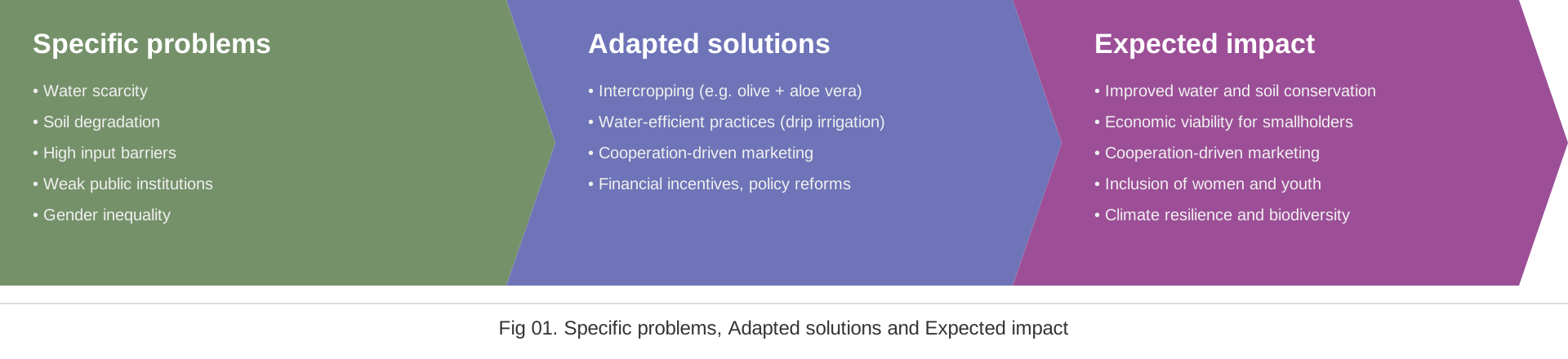
- Tunisia faces worsening climate conditions, notably prolonged droughts and rising water scarcity.
- The agricultural sector is highly vulnerable, yet central to employment, food security, and rural economies.
- Conventional models are unsustainable — pushing smallholders further into precarity.
- Agroecology is increasingly recognized for its regenerative and adaptive potential.
- However, systemic adoption remains limited, prompting the need for practical, locally adapted models.
Background – The Tunisian Context
Water Scarcity & Land Degradation:
- Tunisia faces increasing water stress and widespread soil degradation, particularly in semi-arid regions.
- Agricultural productivity is threatened by declining rainfall, erosion, salinization, and inefficient irrigation practices.
Unsustainable Practices & Institutional Gaps:
- Conventional agricultural models have led to overuse of resources and declining soil health. Despite national strategies like ACTA 2050 (Amenagement et Conservation des Terres Agricoles), implementation remains limited, and access to technical guidance and financial support is insufficient.
Need for a Shift to Sustainable Practices:
- Agroecological practices such as soil rehabilitation, intercropping, and organic amendments increase yields by 15–35% and improve long-term land quality. Yet, broader adoption is hindered by limited support systems and access to resources.
Toward Value Chain Transformation:
- Beyond production, Tunisia needs to rethink value chains—local processing, inclusive market access, and circular economy models are essential to add value, reduce waste, and ensure income generation.
Policy and Innovation Ecosystems:
- Successful cases show the importance of multi-actor coordination, local empowerment, and mission-driven approaches to scale sustainable agriculture.
Theoretical Frameworks
- Agroecological transitions require systemic innovation approaches that go beyond technical fixes and engage with institutional change, value chain integration, and multi-stakeholder collaboration. They call for coordinated efforts across policy, practice, and knowledge systems to drive transformative change in agricultural systems.
- This study uses two interrelated theories: Mission-Oriented Innovation Systems (MOIS) and Diffusion of Innovation (DOI)
These frameworks help explain policy coordination and adoption dynamics in Tunisia’s agroecological transformation MOIS shows how institutional coordination can drive agroecological transformation DOI highlights the social dynamics of innovation uptake
Together, they offer a comprehensive lens to assess and support agroecological transitions in water-scarce contexts like Tunisia
Mission-Oriented Innovation Systems (MOIS)
- MOIS seeks to align public and private actors around solving grand societal challenges,
- Emphasizes systemic change via coordinated policy, financial incentives, and institutional reforms
In Tunisia:
- National policies (Water Code, ACTA 2050) aim for sustainability but lack enforcement
- GDAs and SMSAs are key actors but underfunded case evidence from Ireland and Uganda shows local cooperatives and advisory systems are critical to scaling innovation
Implication:
Tunisia needs better-aligned multi-actor innovation ecosystems for agroecology
Diffusion of Innovation (DOI)
- Explains how innovations spread over time among farmers
- Categorizes adopters: Innovators, Early Adopters, Early Majority, Late Majority, Laggards
Adoption influenced by:
- Relative advantage
- Compatibility with existing practices
- Complexity, trialability, and observability
In Tunisia:
- Innovators like My AloéOléa can influence peers
- Cooperatives and youth networks enhance knowledge transfer
- Policy support should prioritize early adopters and demonstration farms
Innovation Identity
More than a farm, My AloéOléa is a dynamic platform for agroecological experimentation rooted in Mediterranean culture and inspired by global sustainability movements
Systemic solutions
Agroecologically rooted: Based on ecological principles like intercropping, soil regeneration, and biodiversity.
Economically viable: Based on ecological principles like intercropping, soil regeneration, and biodiversity.
Contextually adapted: Based on ecological principles like intercropping, soil regeneration, and biodiversity.
Scalable and replicable: Based on ecological principles like intercropping, soil regeneration, and biodiversity.
Inclusive: Based on ecological principles like intercropping, soil regeneration, and biodiversity.
Institutionally supported: Backed by coherent policies, reliable extension services, and cooperative networks.
Case Study as Methodology
Agroecologically rooted:
- Enables in-depth exploration of real world.
- Captures contextual complexity and local knowledge.
My AloéOléa Case Selection:
- Demonstrates a values-driven approach to agroecology.
- Offers insight into the operationalization of theoretical models.
Method:
- Semi-structured interviews, observation, document analysis.
- Emphasis on narrative, motivations, and systemic design.
Introducing My AloéOléa
Location
Sidi Issa, Nabeul Governorate (Cap Bon region), a semi-arid coastal zone with traditional olive cultivation and increasing climate vulnerability.
Model
Based on the intercropping of aloe vera and olive trees—two complementary, drought-resilient crops that support both environmental and economic resilience.
Agroecological Approach
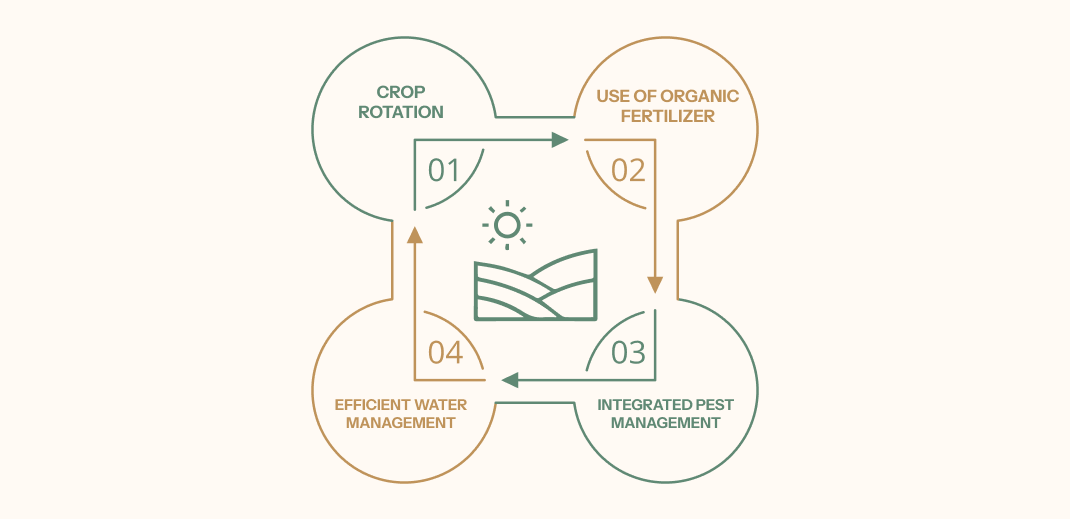
Emphasizes biodiversity, circular resource use, and water-saving techniques, avoiding synthetic inputs while promoting soil regeneration.
Beyond Farming
The initiative bridges agriculture and wellness, transforming aloe into natural cosmetic products and reinforcing added value through storytelling and traceability.
Innovation identity
More than a farm, My AloéOléa is a dynamic platform for agroecological experimentation rooted in Mediterranean culture and inspired by global sustainability movements.
Reference: Ramadan et al. (2025), "Towards sustainable urban agriculture in the arid GCC states: Drivers of technology adoption among small-scale farmers," City and Environment Interactions, Elsevier (CC BY-NC-ND 4.0).
Conclusion
In conclusion, building sustainable agriculture in arid climates is as much about trust, support, and cultural awareness as it is about technical innovation. When farmers are empowered with the right tools, knowledge, and security, urban agriculture can thrive even in the harshest conditions—helping secure a more resilient food future for arid regions worldwide.