About us
Cultivating Quality, Regenerating the Future
The Team
Our strength lies in our people: a diverse team of farmers, managers, and professionals who share a common goal of building agriculture that respects both nature and community.
Our Farmers
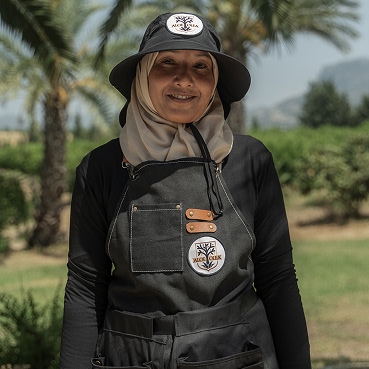
Hajer Almergheni
Farm worker or Agricultural worker
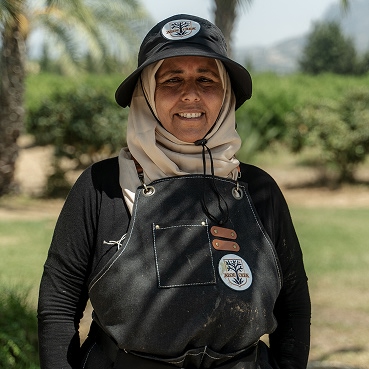
Latifa Bin Jaafer
Farm worker or Agricultural worker
Our Team
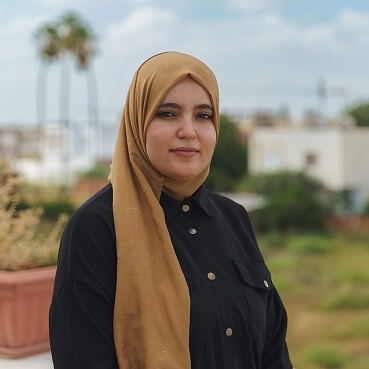
Ibtissem Toubene
Production and Processing Manager
Master’s Degree in Food Industry Innovation and Value-Addition at High School of Food Industry of Tunisia

Ayda Houcine
Human Resources Manager
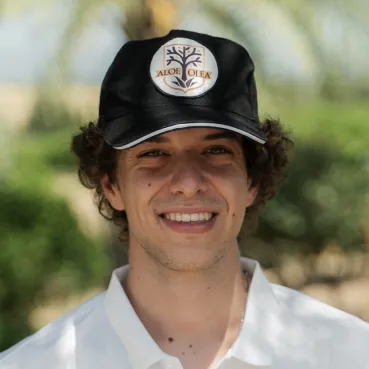
Alexander Khouadja
Head of marketing and communication

Omar Kaddour
Head of Business Development & Client Relations
Our Co-Founders
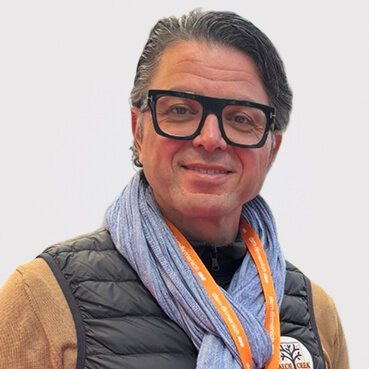
Mehdi Khouadja
Head of Research & Chief Impact Officer
Mehdi brings more than 25 years of high-level experience in the financial industry, with deep expertise in EMEA sourcing, origination, and leveraged finance. Currently based between London and Tunisia, he has led complex trading desks, covering leveraged loans, high‑yield and mid‑cap bonds, as well as structured debt instruments at top investment firms.
His unique skillset ensures My AloeOléa isn’t just mission-driven, but financially robust and growth-ready. Mehdi bridges ecological vision and commercial viability, shaping our strategy to scale sustainably while delivering European-grade quality and traceability.

Yosr Abid
Researcher in Innovation and Sustainable Agricultural Systems
A PhD graduate in political economy of reform, Yosr brings over two decades of experience in research, strategic planning, and evaluating projects that promote innovation and sustainability. Her work spans rural development, climate change adaptation, natural resource management, and advancing sustainable agricultural practices. Yosr’s leadership in AloeOlea aims to set an example for sustainable, organic agriculture that protects natural resources and drives the future of green employment.
Value, mission and Approach
Sustainability at the core, people at the heart, quality as our promise
Mission statement
The market problem
Aloe vera and olive oil is in high demand across many industries, yet B2B buyers face sourcing barriers: Inconsistent quality, vague claims, poor traceability, environmental concerns, and unreliable timelines.
Global suppliers often rely on intermediaries and lack transparency.
My AloéOléa offers a clear alternative: fully traceable, lab-tested, organic products, produced ethically and under low-carbon, sustainable conditions.
Tunisia’s Agricultural Challenge
At the same time, Tunisia’s agricultural sector faces deep-rooted challenges such as water stress, low local value addition, outdated farming methods, gender inequality in rural labour, and limited infrastructure. Much of Tunisia’s agricultural output is exported in raw or semi-processed form, capturing only a fraction of its value. Water-intensive crops dominate a country that is among the most water-scarce in the Mediterranean. Meanwhile, farmers and especially women workers remain excluded from formal economic growth.
our vision
My AloéOléa is more than a farm,
it’s a replicable model for climate-resilient, regenerative agriculture.
Our site will serve as a rural knowledge hub, showcasing agroecology, solar-powered farming, organic certification, and water-smart practices.
We integrate social inclusion by offering stable contracts, training, and leadership opportunities for women, aiming to professionalize rural employment and foster an agricultural transition that’s both equitable and sustainable.
Our goal is to deliver environmental impact, economic opportunity, and a new narrative for Tunisian agriculture
our values
Sustainability
At My AloéOléa, sustainability is not a trend or a checkbox. It is the foundation of how we operate, how we grow, and how we think about the future.
Social Impact
At My AloéOléa, real sustainability starts with people. Women are at the heart of our operations, and lasting change is only possible when communities are empowered to thrive.
Quality and Consistency
Reliability starts in the field and ends in the final delivery. At My AloéOléa, we deliver products our partners can trust, with certified purity, consistent quality, and full traceability from root to bottle.
Our history
STAGE 1
History and beginning
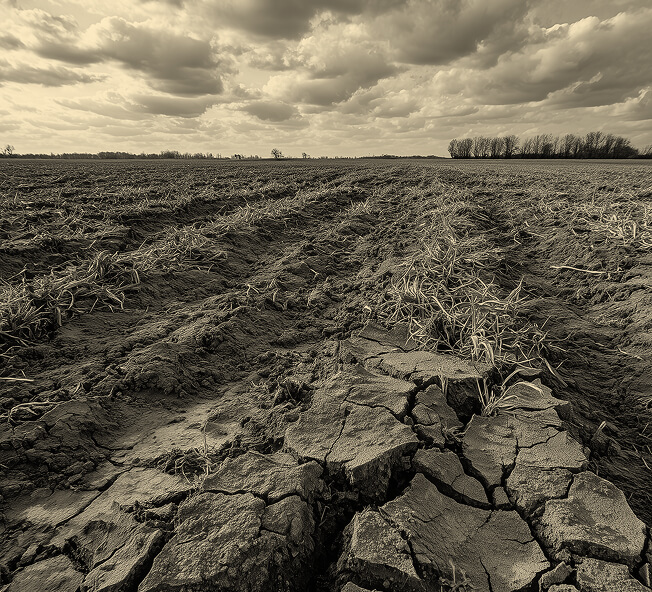
For over 30 years, this land remained in the owner’s family, first cultivated with table grapes across 7 hectares using conventional, chemical heavy methods. Over time, the model shifted to citrus orchards with slightly more mindful practices yet still anchored in intensive and output maximized oriented production. As the years passed, the impact of this intensive agricultural practices became visible: the soil grew tired, the well dried up, and the once-thriving trees withered. The previously thriving and fruitful land had been pushed beyond its limits. The fields were not what they used to be, as the once common water intensive practices, which took advantage of chemical pesticides and fertilizers, turned it into nonorganic soil
STAGE 2
Restoring Life to the Soil
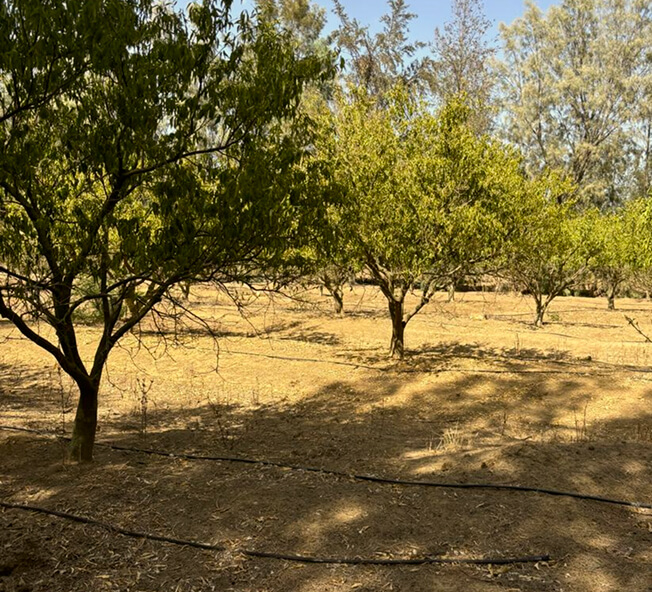
After years of intensive monoculture and chemical use, the soil had lost its structure, biodiversity, and vitality. Rather than forcing further production, we made a conscious decision to let the land heal. This began with a multi-year resting phase, during which the fields were left uncultivated to naturally regenerate.
“During this phase, we gradually reintroduced life to the soil using natural and regenerative methods. Compost and well-aged manure were added to replenish nutrients. We planted cover crops not for harvest, but to protect the soil, fix nitrogen, and improve structure. Organic mulch helped retain moisture and feed the microorganisms beneath. We enriched the land further with biochar and vermicompost, while applying beneficial microbes and mycorrhizal fungi to restore the underground ecosystems vital to plant health.
Little by little, life returned. Earthworms, insects, and native plants began to reappear. The soil regained its structure and its ability to hold water. What was once dry and tired became rich and alive again.”
STAGE 3
Life is back
After allowing the land to rest and heal, we entered a new chapter defined by meticulous planning and ecological innovation.
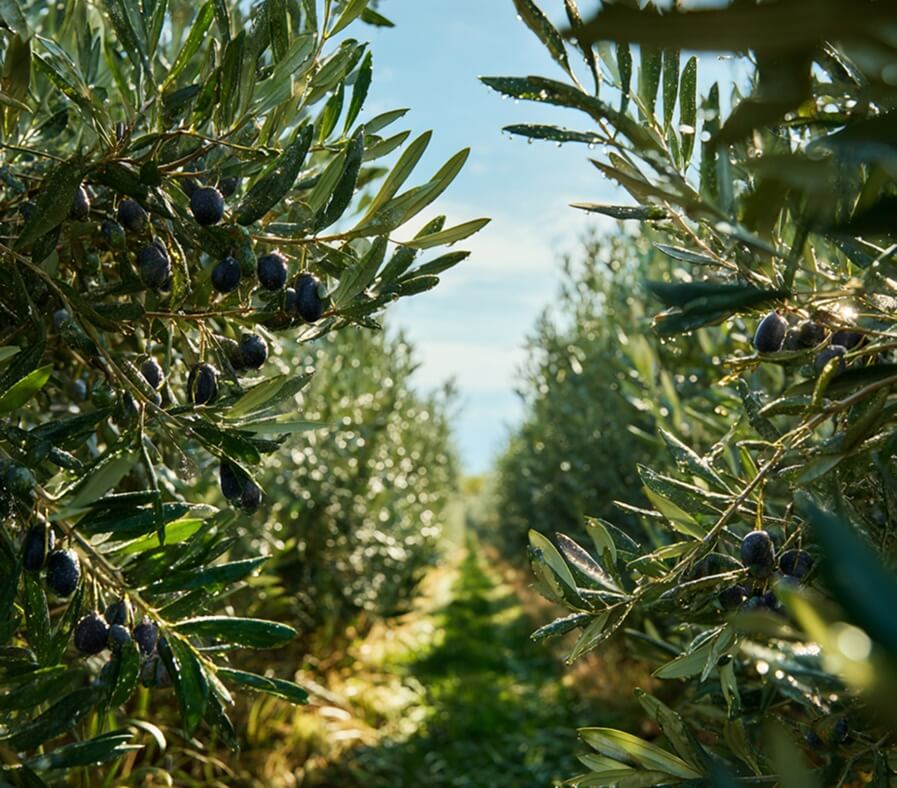
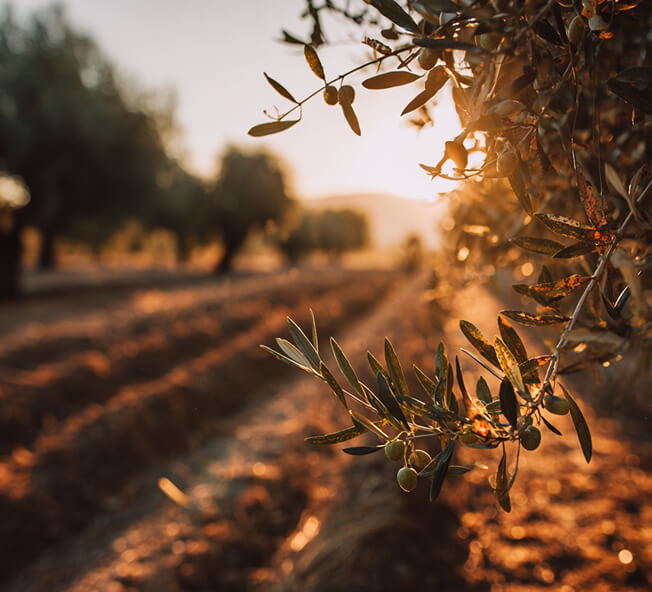
We introduced intercropping systems, combining aloe vera with olive. This method not only enhances biodiversity but also creates a natural synergy between the plants, enriching the soil, improving water retention, and reducing the risk of disease without synthetic or chemical inputs. To conserve precious resources, we installed a drip irrigation system, delivering water directly to the roots with minimal waste. To go even further, operations on the farm are powered by a 50 kWp solar plant, covering everything from irrigation and aloe vera gel extraction to facility lighting and additional processing. This ensures our energy footprint remains minimal and fossil-fuel-free.
All together, these methods form the heart of our regenerative model, which does not just aim to produce, but to restore, to sustain, and to inspire a new path for Tunisian agriculture.
STAGE 4
Spreading Knowledge, Shaping the Future of Tunisian Agriculture
Our mission goes far beyond our own fields. At My AloéOléa, we see ourselves as more than producers. We are a knowledge hub and a model farm. We believe that sustainable agriculture should not be a privilege. Knowledge is a right, and we are committed to fighting knowledge gatekeeping by sharing everything we’ve learned.
Through workshops, on-site training, and open access to our methodologies, we actively propagate these practices across Tunisia. Our goal is to set a new standard, to make sustainable, climate-smart farming the norm, not the exception. In doing so, we aim to help position Tunisia as a serious and competitive force in global agriculture, not just for raw exports, but as a country known for value-added, high-quality, and environmentally conscious production.
This is our long-term vision. To inspire a shift that spreads beyond our farm and into the heart of Tunisia’s agricultural identity.